Education Visit to Herbal Garden
About this Program
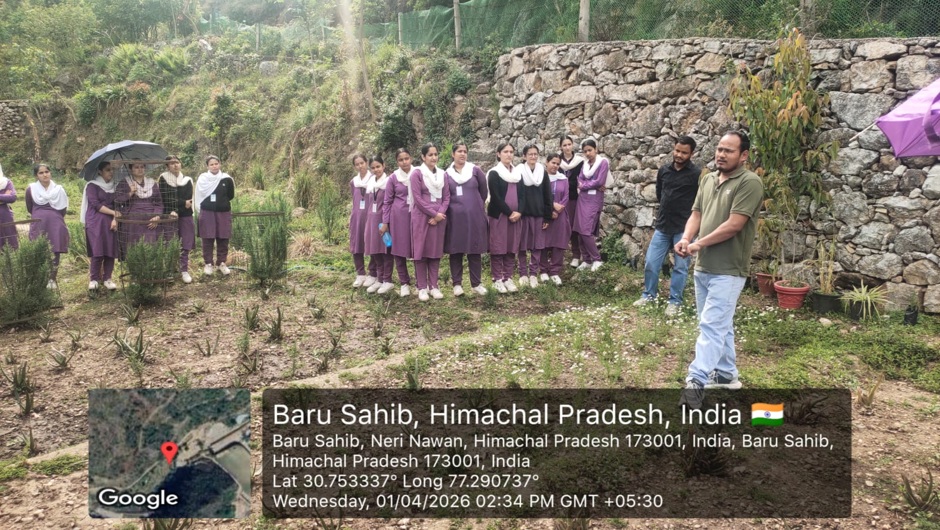
A field visit to the Herbal Garden at Eternal University was organized for the B.Sc. Nursing 4th Year & M.Sc. Nursing Community Students - total 62 students of Akal College of Nursing on 1st April 2026 under the subject of Community Health Nursing. The purpose of the visit was to provide practical exposure regarding medicinal plants, their cultivation, and therapeutic importance in healthcare. The herbal garden, maintained in an eco-friendly environment, served as a “living laboratory” where students could observe different medicinal herbs and understand their role in traditional and modern medicine. Objectives • To study various medicinal plants and their therapeutic uses. • To understand the importance of herbal medicine in healthcare. • To gain knowledge regarding cultivation and maintenance of herbal gardens. • To promote awareness about natural and alternative medicine. • To correlate theoretical learning with practical observation. Participation The visit was attended by the B.Sc. Nursing 4th Year & M.Sc. Nursing Community Students - total 62 students along with faculty members from the Department of Community Health Nursing. The students actively participated in observing different medicinal plants, interacting with faculty, and learning about the medicinal value and healthcare applications of herbs. Learning During the visit, students observed various medicinal plants such as Aloe vera, Tulsi, Ashwagandha, Rosemary, Mint, Lemongrass, Centella asiatica, Berberis aristata, and Plantago ovata. Students learned about the botanical names, habitat, medicinal uses, active components, and nursing importance of these plants. They also gained knowledge regarding eco-friendly cultivation practices, irrigation methods, organic manure usage, and conservation of medicinal plants. The visit enhanced understanding about the use of herbal medicine in stress relief, wound healing, respiratory disorders, digestive problems, and immunity enhancement. Outcome The visit helped students bridge the gap between theoretical knowledge and practical exposure. It improved their understanding regarding medicinal plants and their role in holistic healthcare practices. Students developed awareness about alternative medicine systems and gained appreciation for the importance of herbal resources in community health and nursing care. Conclusion The Herbal Garden visit was highly informative, educational, and enriching for the nursing students. It provided valuable practical learning experiences and promoted awareness regarding natural healthcare practices. Such field visits contribute significantly to the professional development of nursing students by enhancing observational skills, practical understanding, and interest in herbal and complementary medicine.